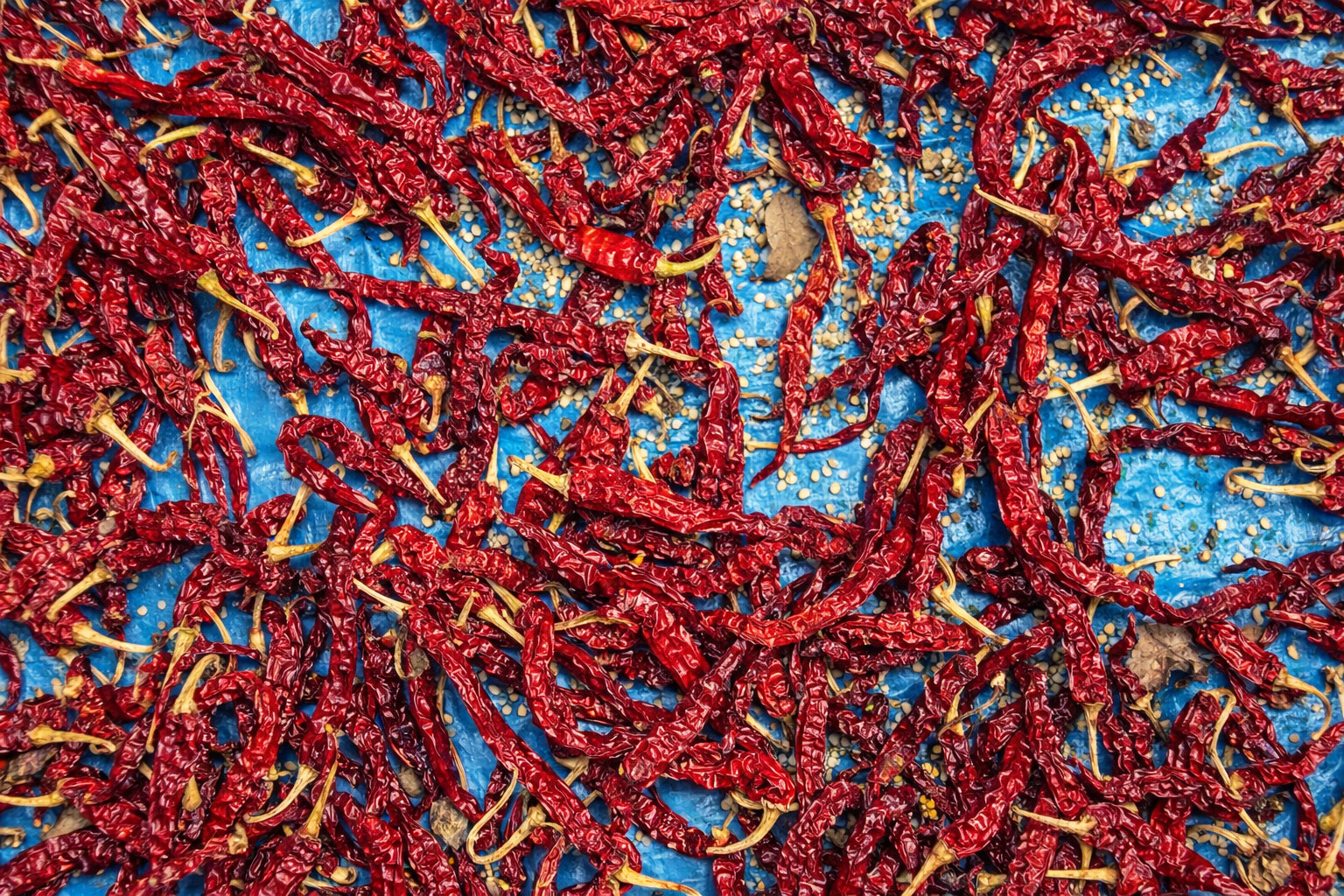
South India, Screwpine Weaving, Kerala
Screwpine Weaving: Coastal Craft Tradition
Screwpine weaving is a traditional craft using handwoven natural leaves.
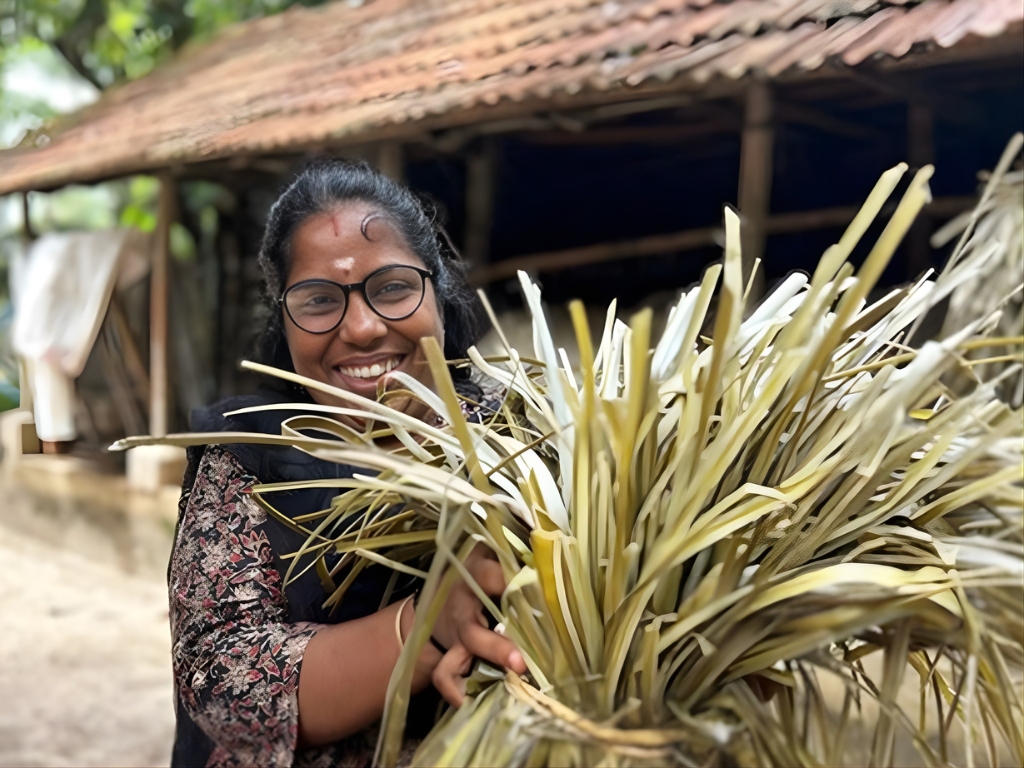
Deeply rooted in the cultural landscape of Kerala for over 800 years, Screwpine weaving is a traditional, eco-friendly handicraft primarily sustained by the skill and dedication of women artisans. The craft utilizes the resilient leaves of the Pandanus plant, a species that flourishes naturally along the state's lush riverbanks and backwaters. Historically serving as a cornerstone for women’s empowerment, these hand-woven creations carry immense social value; finely crafted mats were traditionally presented as prestigious gifts to honored guests and utilized in sacred rituals or for practical purposes like boat thatching. Today, the craft’s heritage is protected by a Geographical Indication (GI) tag, which honors its specific origins in districts like Thrissur. The transformation from raw plant to finished product is a meticulous process: mature leaves are harvested, stripped of their thorns, softened, and sun-dried to prepare them for intricate weaving. Using time-honored techniques such as coiling, plaiting, and twining, artisans create a diverse range of lightweight yet durable goods. While the repertoire includes traditional prayer and bed mats, it has expanded to include contemporary lifestyle items like baskets, wall hangings, trays, and stylish bags. This enduring art form beautifully bridges the gap between ancient utility and mode
