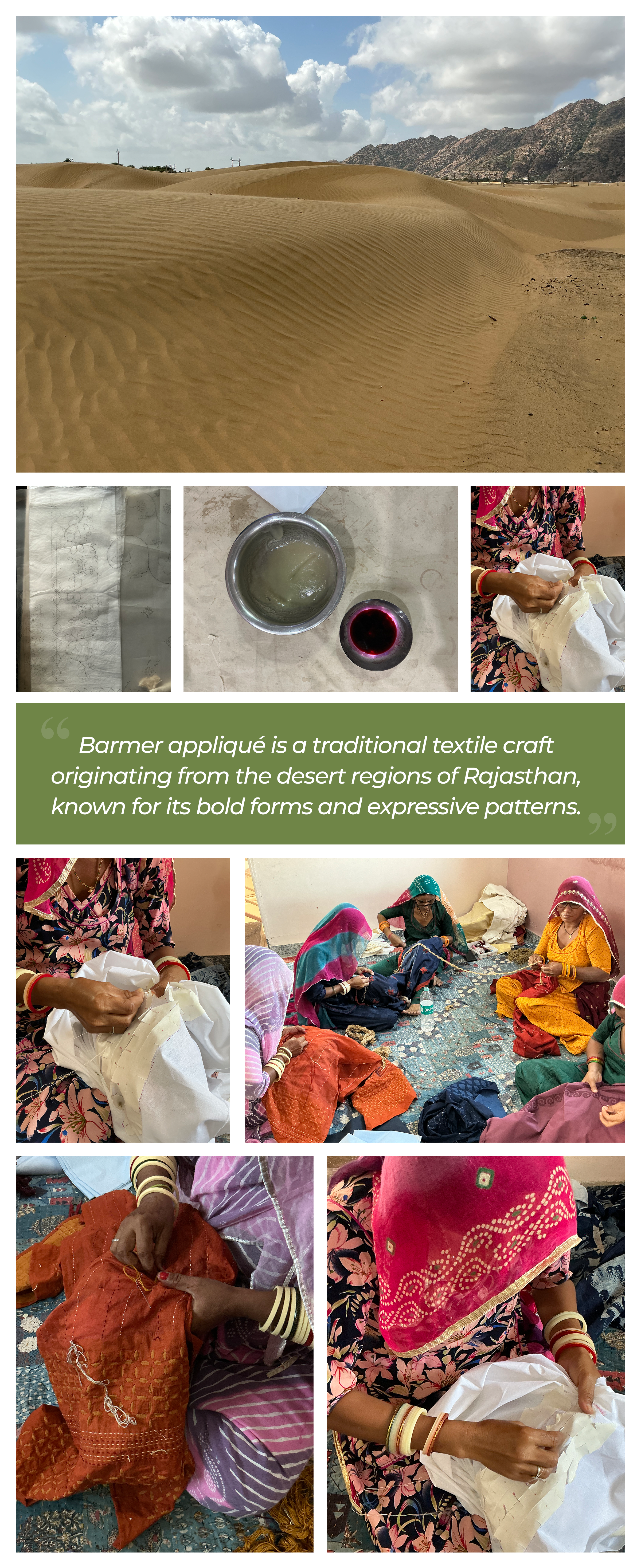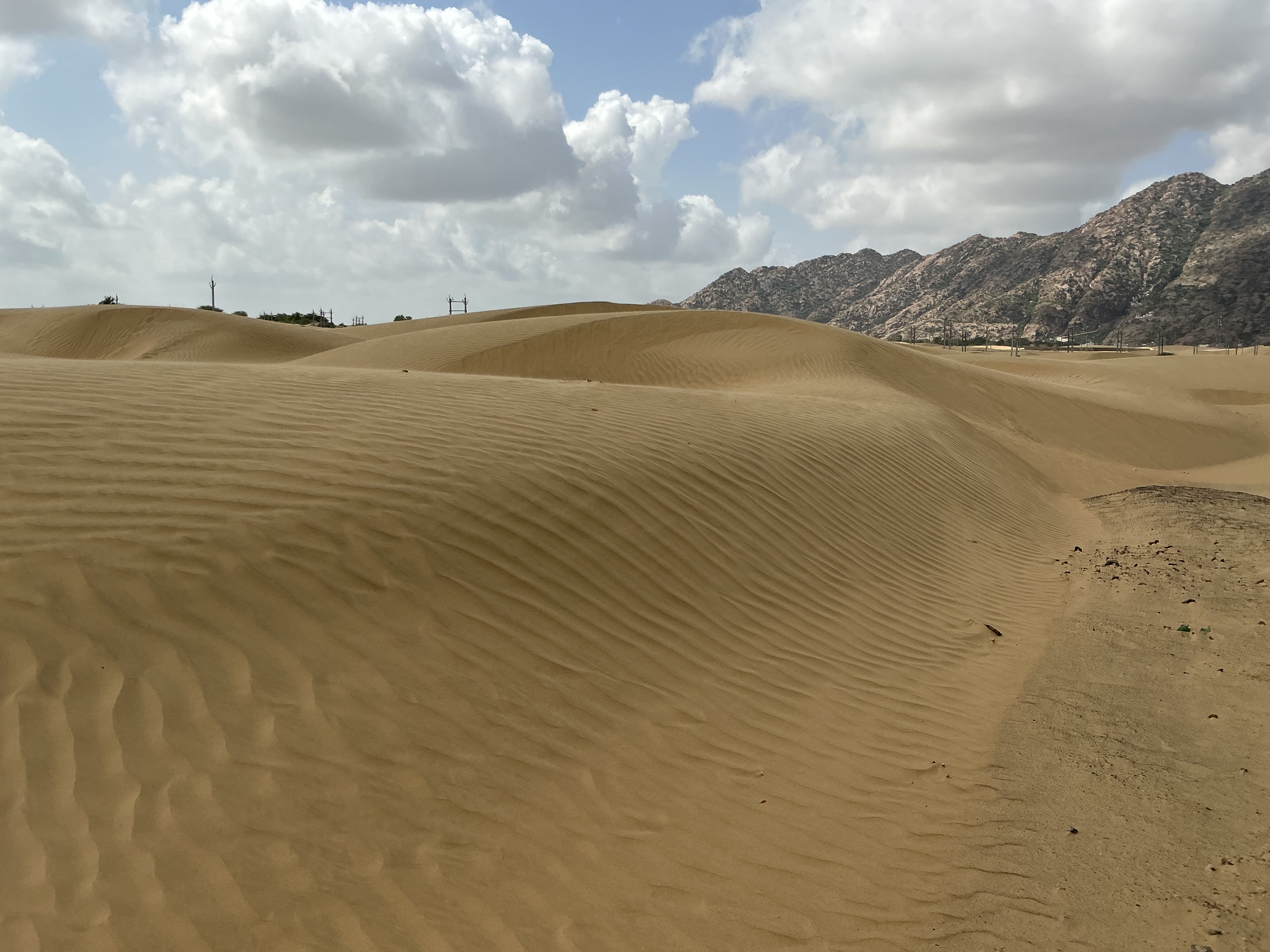
West India, Applique Barmer, Rajasthan
Barmer Appliqué: Stitched Stories of the Desert
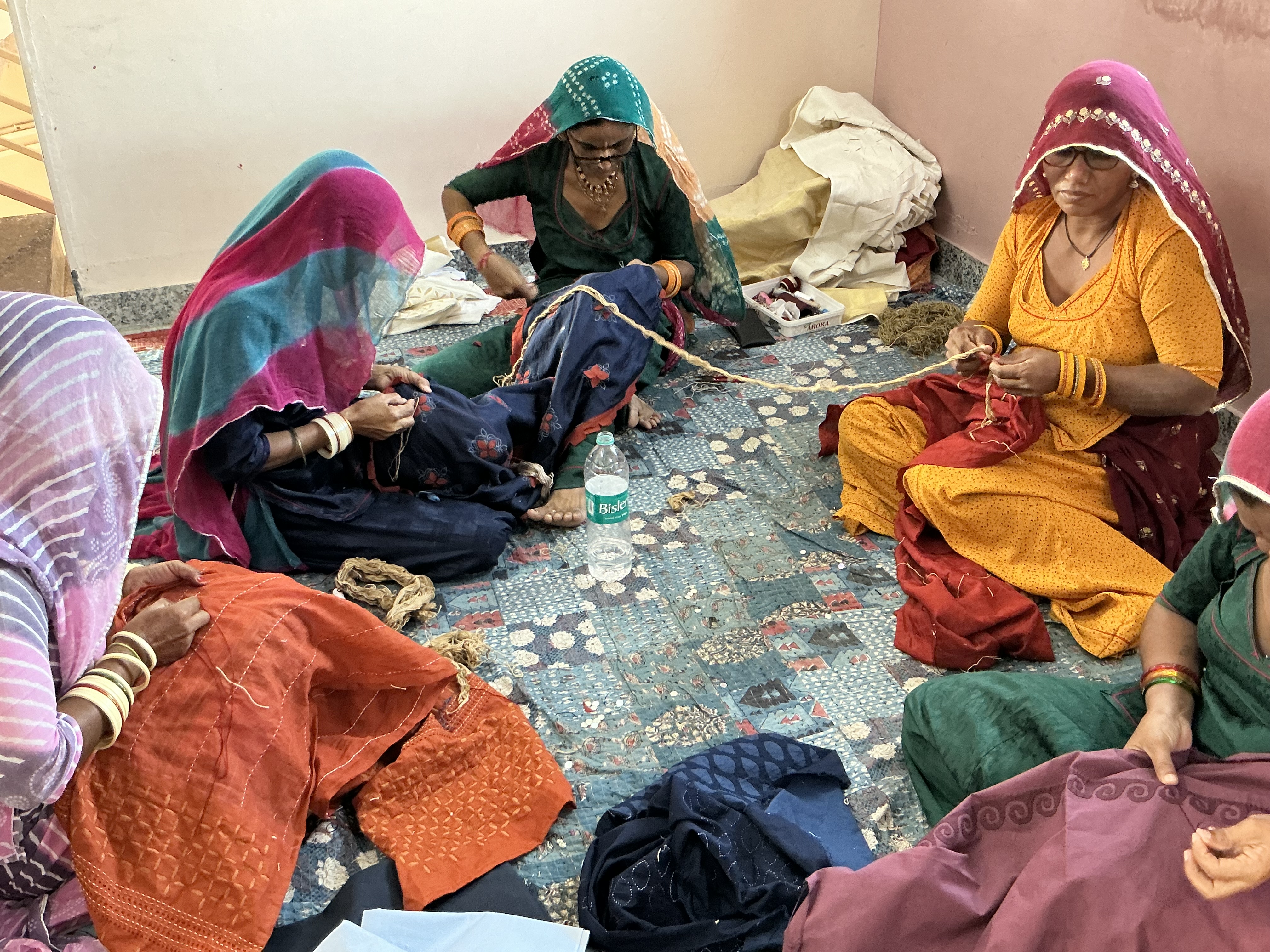
Barmer appliqué is a traditional craft of hand-stitched fabric motifs inspired by desert culture.
Tracing back to 2500 BC, Ajrakh is a foundational art of the Indus Valley Civilization. Its ancient roots are visible in the ‘kakkar’ trefoil motifs found at Mohenjo-Daro. The Khatri community, master artisans of the craft, migrated to Kutch 400 years ago. Invited by rulers like Rao Bharmalji, they settled where river water was abundant. The name "Ajrakh" stems from the Arabic azrak, meaning blue, for its indigo base. Technically complex, the craft involves 13 distinct stages of mud-resist printing. Natural ingredients like lime, iron, and indigo create its signature deep color palette. Historically, these textiles identified the Maldhari herders and graced Khatri weddings. The fabric is unique for being double-sided, requiring perfect block alignment. Post-Partition, the craft flourished in Kutch villages despite the 1947 border shifts. After the 2001 earthquake dried local rivers, artisans founded the hub of Ajrakhpur. Today, the tradition thrives through a renewed global demand for sustainable natural dyes.